
By Claire, Garden Designer
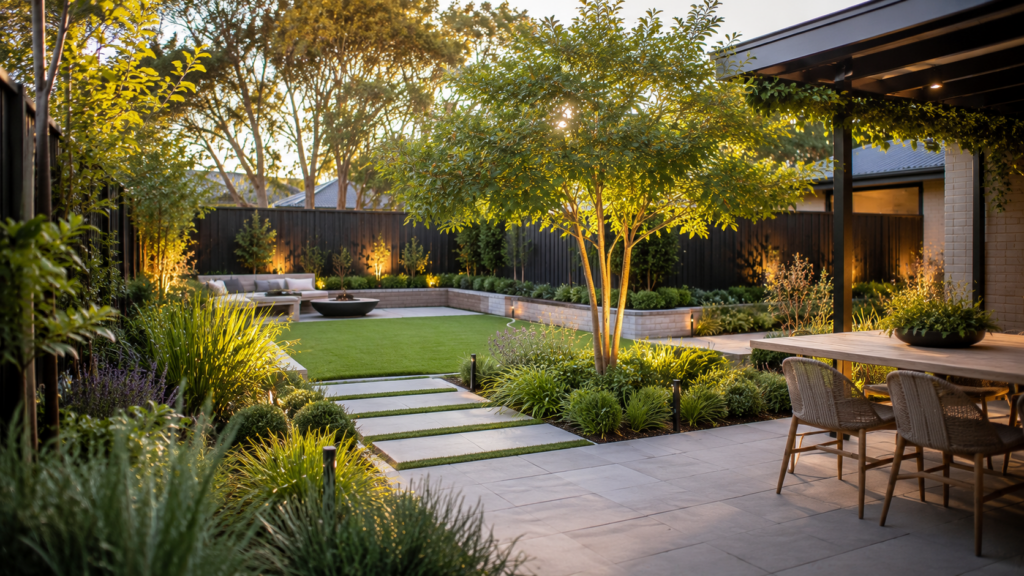
A lot of gardens look fine from the back door and then never really get used. The lawn’s there, the beds are there, but somehow nobody spends time out in it. That usually isn’t a planting problem. It’s a design problem. Good landscape design isn’t about cramming in more plants or chasing a look from a magazine. It’s about shaping a space around the way you actually live, so the garden earns its keep instead of just sitting there. Here’s how to think about it.
Start with how you want to use it
Before anything else, picture how you want the space to feel and function. Somewhere to entertain? A safe patch for the kids and the dog? A quiet corner for a coffee, a veggie patch, low-maintenance greenery you barely have to touch? Most people skip this and go straight to plants, then wonder why the finished garden doesn’t quite work. Nail down the purpose first, and every other decision gets easier.
Design the whole space, not bits of it
The difference between a garden that feels considered and one that feels piecemeal is almost always whether it was planned as a whole. The paths, the planting, the lawn, the entertaining area, the lighting, the way you move from one part to the next, it all needs to connect. Doing it bit by bit over a few years usually leaves you with a patchwork. Designing it as one space, even if you build it in stages, is what makes it hang together.
Work with the conditions, not against them
Every site has its quirks: the way the sun tracks across it, the slope, the soil, the wind, the spots that stay wet or bake dry. A good design works with all of that rather than fighting it. Plants get chosen for where they’ll actually thrive, and the layout makes the most of the light and shelter you’ve got. It’s the difference between a garden that settles in and one that’s a constant battle.
Don’t forget the bones
Planting gets all the attention, but the structure is what carries a garden: the paths, the edging, the levels, the retaining, the built features. Get those right and the space looks good even in winter when the planting’s pulled back. They’re also the expensive, permanent parts, so they’re the bits most worth planning properly before anyone starts digging.
Get a designer involved early
You can absolutely tinker with a garden yourself over time. But if you’re starting from scratch, working with a tricky site, or you want it to genuinely lift the property, a proper plan pays for itself. Working with a specialist in landscape design Newstead, who plans the whole thing as one space, means the planting suits the conditions and you avoid the costly trial and error of doing it by guesswork. A designer also sees possibilities you’d miss, and gives you a clear plan to build to, whether you do it all at once or in stages.
A well-designed garden does more than look nice in photos. It suits how you live, works with its site, gets used, and matures well over time rather than being packed in tight for an instant result. Sort the purpose, plan it as a whole, respect the conditions, and get the bones right, and you’ll end up with a space that pulls its weight every day, not just one you admire from the window.


